
What Vermont homes are up against.
NOAA National Centers for Environmental Information, Storm Events Database, bulk CSV export, events 2015-01-01 through 2024-12-31. · U.S. Census Bureau, 2020-2024 American Community Survey 5-Year Estimates
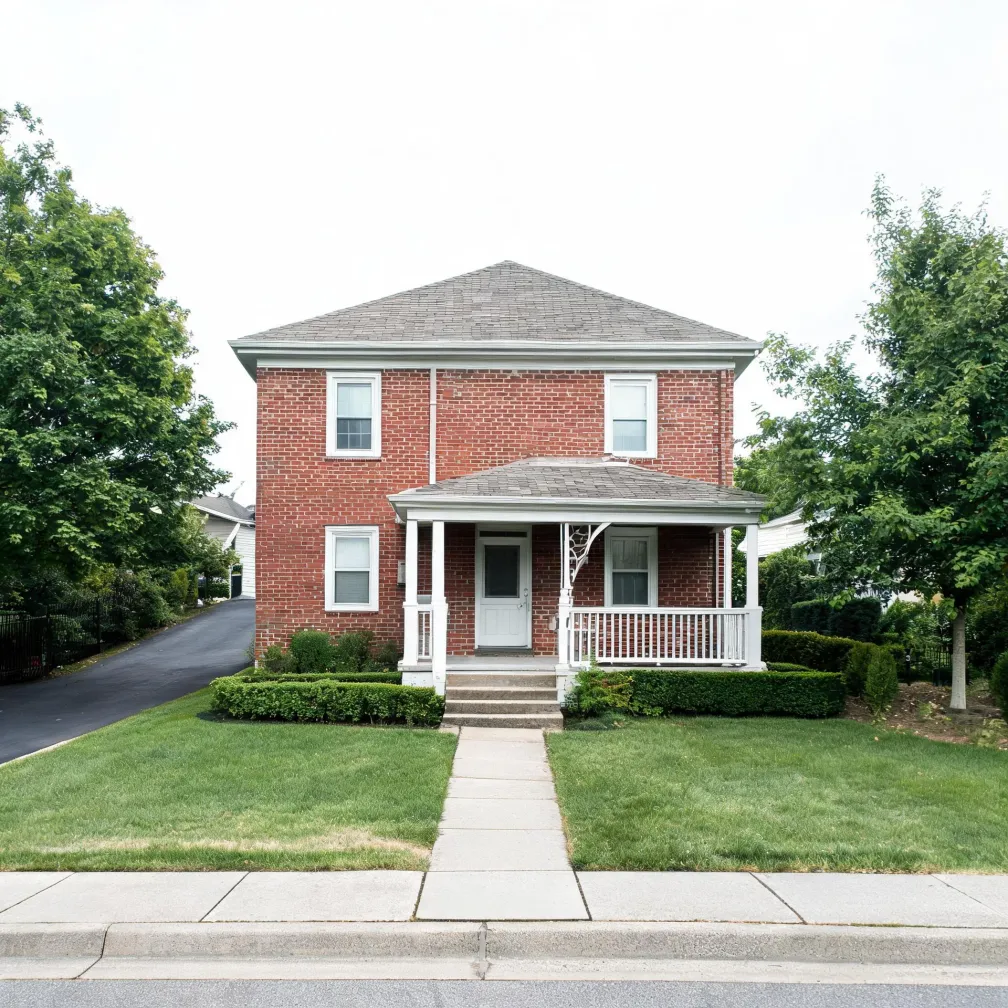
What a contractor can commit to on a phone call is limited by what is behind your walls. Half the homes in Vermont were built in 1976 or earlier (2020-2024 ACS 5-year). That means a significant share of houses across the state carry electrical service installed before the load requirements of a multi-zone system existed as a category. The panel may need assessment, the entry points for line sets may need to be cut fresh, and the contractor's site visit is where the actual specification gets written, not before it.
Does your county put extra stress on your HVAC equipment?
2015–2024 · Source: NOAA National Centers for Environmental Information, Storm Events Database.
A condenser sitting outside in Vermont faces wind load, ice accumulation, and the kind of freeze-thaw cycling that works hardware loose over time. Where your county ranks tells you something about how hard that equipment has to work and how well it needs to be protected, from sitting height to refrigerant charge to how the unit is mounted and sheltered. The contractor you are matched with knows the site conditions in your area and sizes and positions equipment accordingly.
Vermont HVAC Contractor License Requirements
Vermont sets its own rules for who can perform HVAC installation and repair work in the state. The provisions below are quoted directly from state sources, not paraphrased.
Vermont splits the trade across two specialty licences and a contractor may hold one without the other: field A1 covers automatic gas or oil heating including geo-thermal and ground source heat pumps, and field C3 covers refrigeration or air conditioning including air-to-air heat pumps.
A state licensing requirement means only contractors who hold the appropriate credentials are permitted to do this work on your home. Knowing that a contractor carries the right license is what separates a compliant hire from one that puts your project at risk. Every contractor this site routes a request to holds the license these provisions describe.
View the source provisions2 provisions
Vermont splits the trade across two specialty licences and a contractor may hold one without the other: field A1 covers automatic gas or oil heating including geo-thermal and ground source heat pumps, and field C3 covers refrigeration or air conditioning including air-to-air heat pumps.
Vermont reaches HVAC work through its electricians’ licence rather than an HVAC licence, and the requirement stops at the front door of a house: anyone performing electrical work in Vermont must be licensed as an electrician unless the work is in a residential building containing two or fewer dwelling units.