Tell us about the job
Takes about a minute. No obligation.
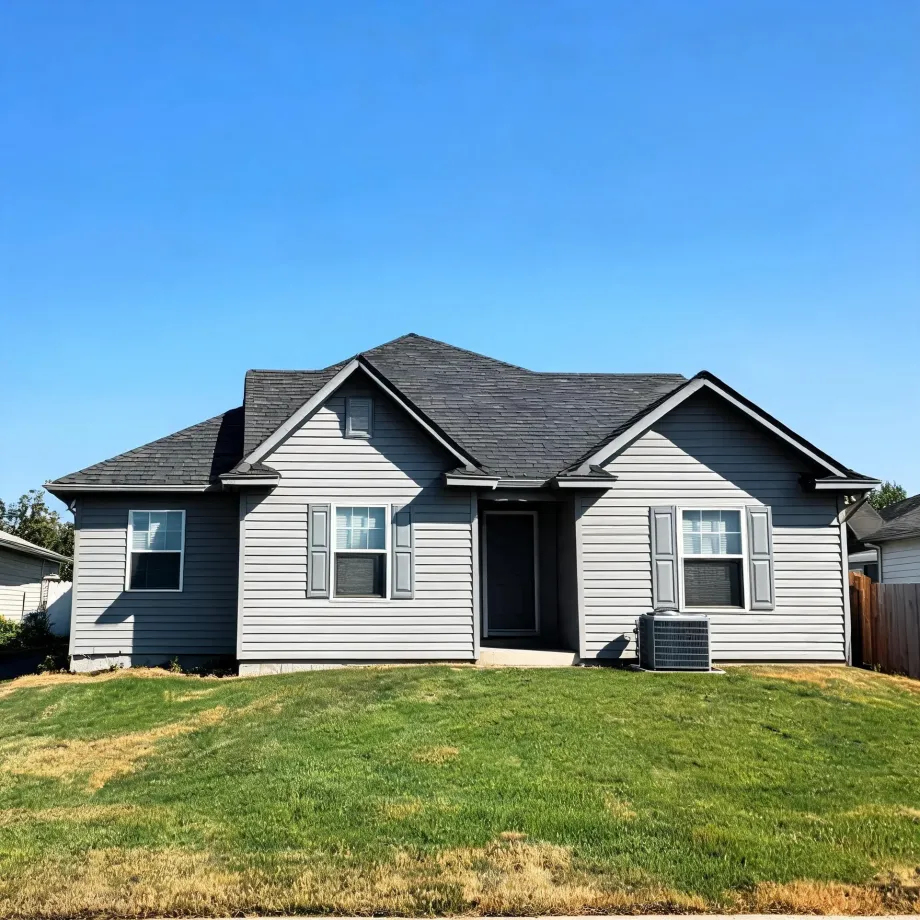
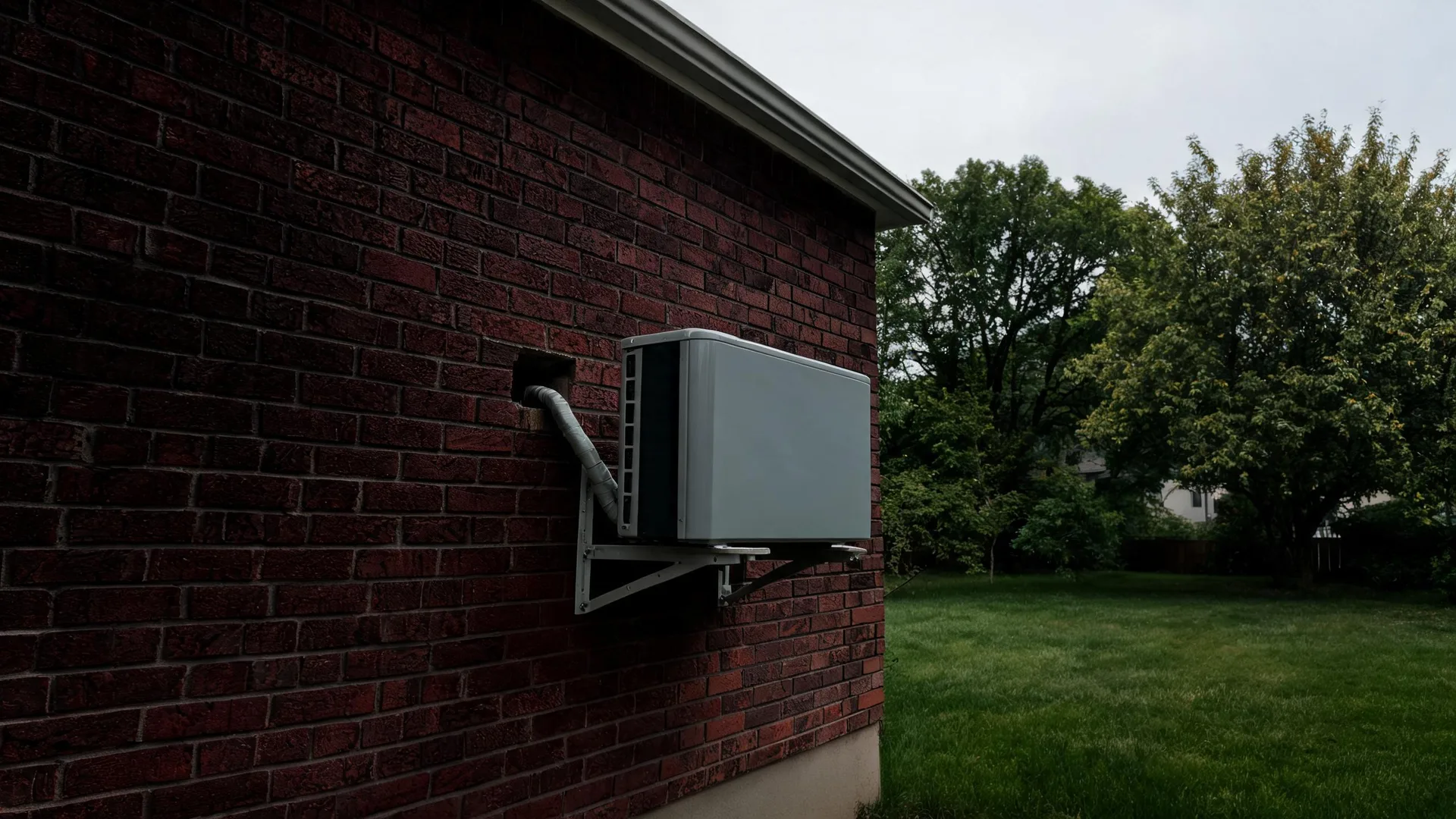
A mini-split in Windsor County earns its wear entirely on the heating side. Homes in Windsor County, VT have essentially no cooling season — no month of the year is warm enough to call for it. The compressor cycles against cold outdoor air through the long dark months, and that is where a contractor starts: refrigerant charge, the reversing valve, the defrost board. The cooling coil and condenser fan accumulate almost no runtime, so a fault there points to a manufacturing problem or physical damage rather than seasonal wear.
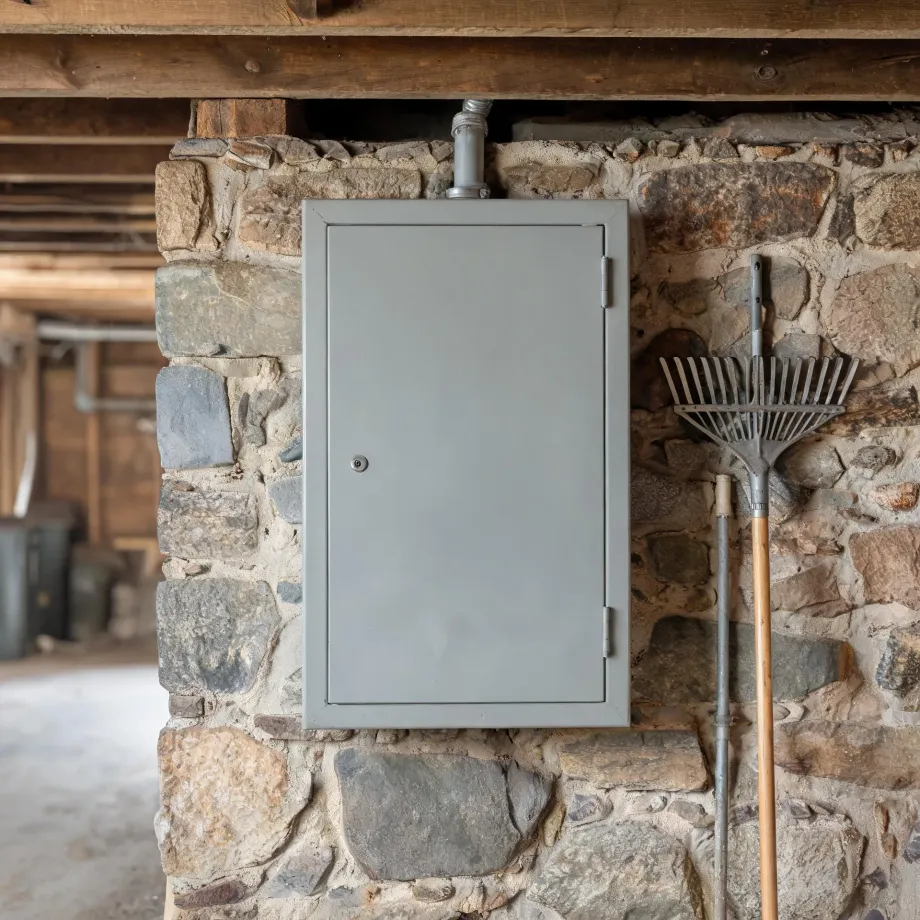
Houses built to heat with oil or wood rarely had the electrical infrastructure that a heat pump retrofit would later need, and the systems now running in them carry that history inside. Half the homes in Windsor County, Vermont were built in 1973 or earlier (2020-2024 ACS 5-year). A contractor who opens a mini-split in housing this old finds components that have been working harder than the original load calculations anticipated, and the repair question that follows is whether the parts those systems take are still in production. If they are not, the scope changes entirely.
The Parts of a Mini-split a Contractor Checks During Repair
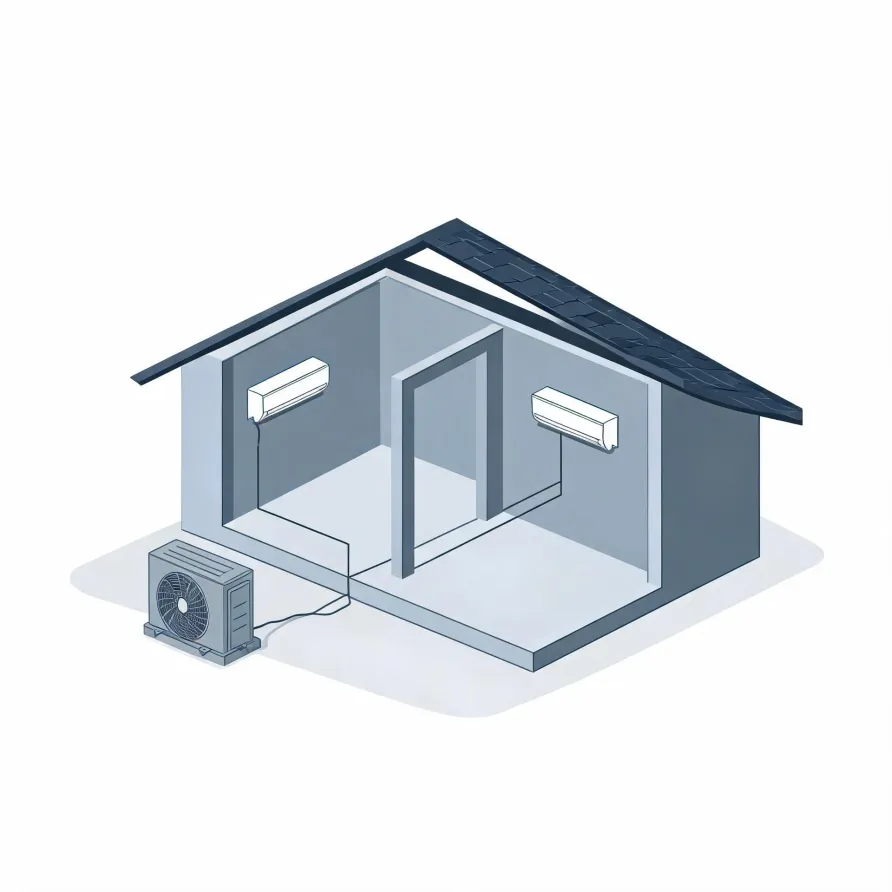
The indoor air handler is usually the first thing a homeowner notices when something is wrong. It mounts high on a wall inside the room, pulls air across its coil and filter, and pushes conditioned air back out. A fault here shows up as weak airflow, odd noises, or air that is not the right temperature.
The outdoor compressor unit sits outside the house and is the mechanical heart of the system. A refrigerant line set runs through a small hole in the wall to connect the two units, and a condensate drain carries moisture away from the indoor head. A contractor working through a repair will move between both units and that line set, since a fault in one place often points back to another.
The drawing beside this text shows a typical layout, and a licensed contractor will determine which components apply to your specific home and situation.
Find a contractor in Windsor CountyWindsor County, by the numbers
96 severe weather events were recorded in Windsor County, Vermont between 2015 and 2024.
NOAA National Centers for Environmental Information, Storm Events Database, bulk CSV export, events 2015-01-01 through 2024-12-31.Half the homes in Windsor County, Vermont were built in 1973 or earlier (2020-2024 ACS 5-year).
U.S. Census Bureau, 2020-2024 American Community Survey 5-Year EstimatesWindsor County, Vermont holds 34,846 housing units (2020-2024 ACS 5-year).
U.S. Census Bureau, 2020-2024 American Community Survey 5-Year EstimatesOwners occupy 74.8% of the occupied homes in Windsor County, Vermont (2020-2024 ACS 5-year).
U.S. Census Bureau, 2020-2024 American Community Survey 5-Year EstimatesRepair Rules That Apply in Windsor County, Vermont2 sourced standards and codes
Licensing and Legal Requirements in Windsor County, Vermont
Vermont splits the trade across two specialty licences and a contractor may hold one without the other: field A1 covers automatic gas or oil heating including geo-thermal and ground source heat pumps, and field C3 covers refrigeration or air conditioning including air-to-air heat pumps.
Vermont reaches HVAC work through its electricians’ licence rather than an HVAC licence, and the requirement stops at the front door of a house: anyone performing electrical work in Vermont must be licensed as an electrician unless the work is in a residential building containing two or fewer dwelling units.
Severe Weather Events in Windsor County, Vermont
Vermont's climate puts real stress on heating and cooling equipment over time. How often that stress arrives in Windsor County shapes how hard local mini-split systems work and how often repair needs surface.
96 severe weather events, 2015–2024. Source: NOAA National Centers for Environmental Information, Storm Events Database.