Tell us about the job
Takes about a minute. No obligation.
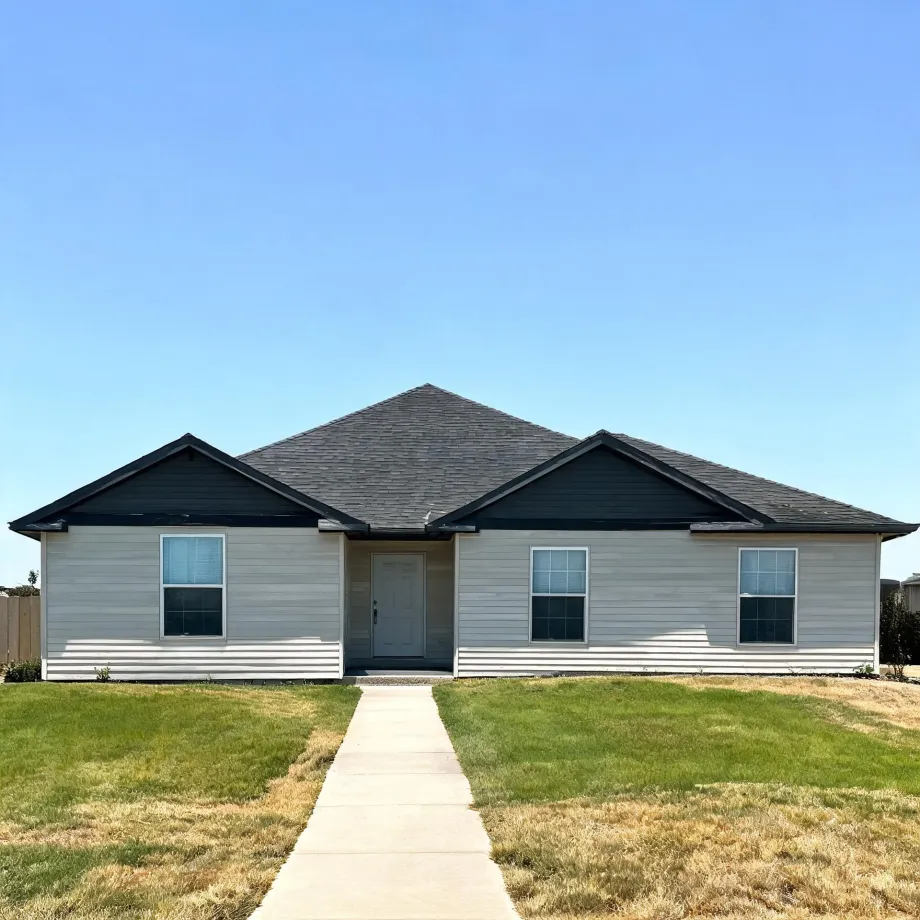
Sizing a mini-split in Grand Isle County starts with understanding what the compressor is actually asked to do. Homes in Grand Isle County, VT run cooling in a single month of the year, July. A compressor that sits dormant most of the year and then cycles hard through its only active month has little margin for an undersized unit or a loose refrigerant charge. The contractor has to get the load calculation right the first time, because there is no long operating history to reveal a slow problem before the peak demand arrives.
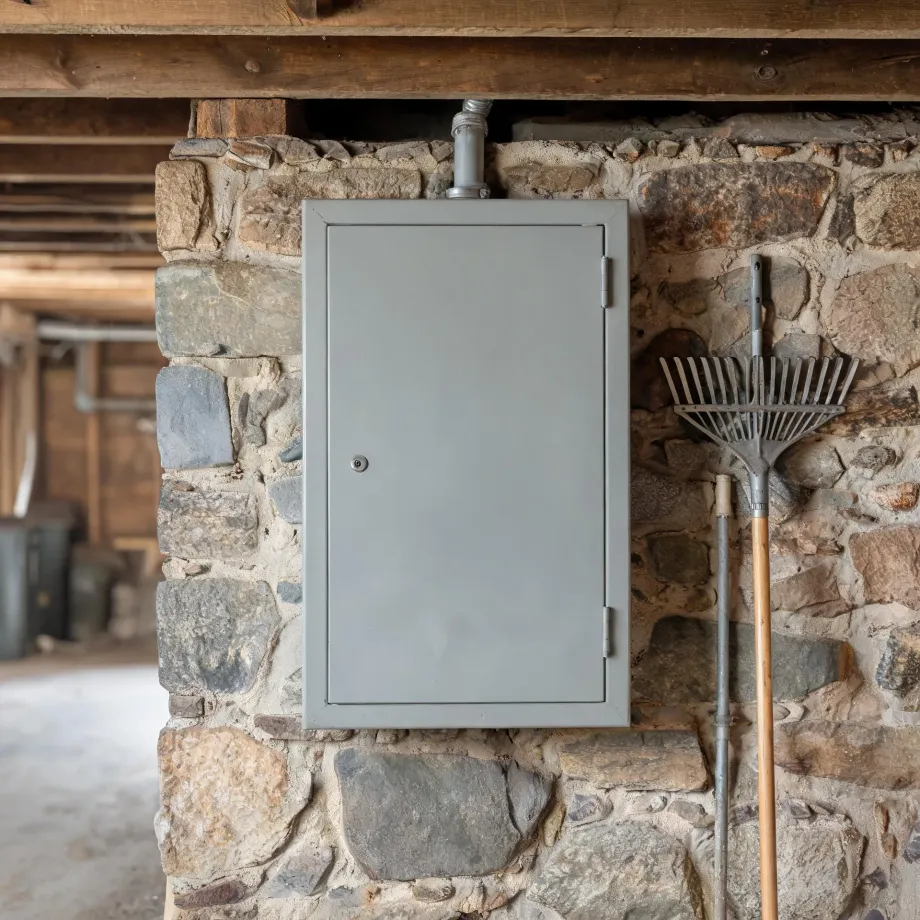
Electrical service is where a mini-split installation in Grand Isle County gets decided. Half the homes in Grand Isle County, Vermont were built in 1984 or earlier (2020-2024 ACS 5-year). Housing built in that era was wired for the loads of its time, and a mini-split draws differently than what those panels were sized for. A contractor will open the electrical panel before the equipment conversation goes far, because what the house already carries sets the boundary of what can be installed without a service upgrade.
The Mini-split Parts a Contractor Sizes and Places for Your Home
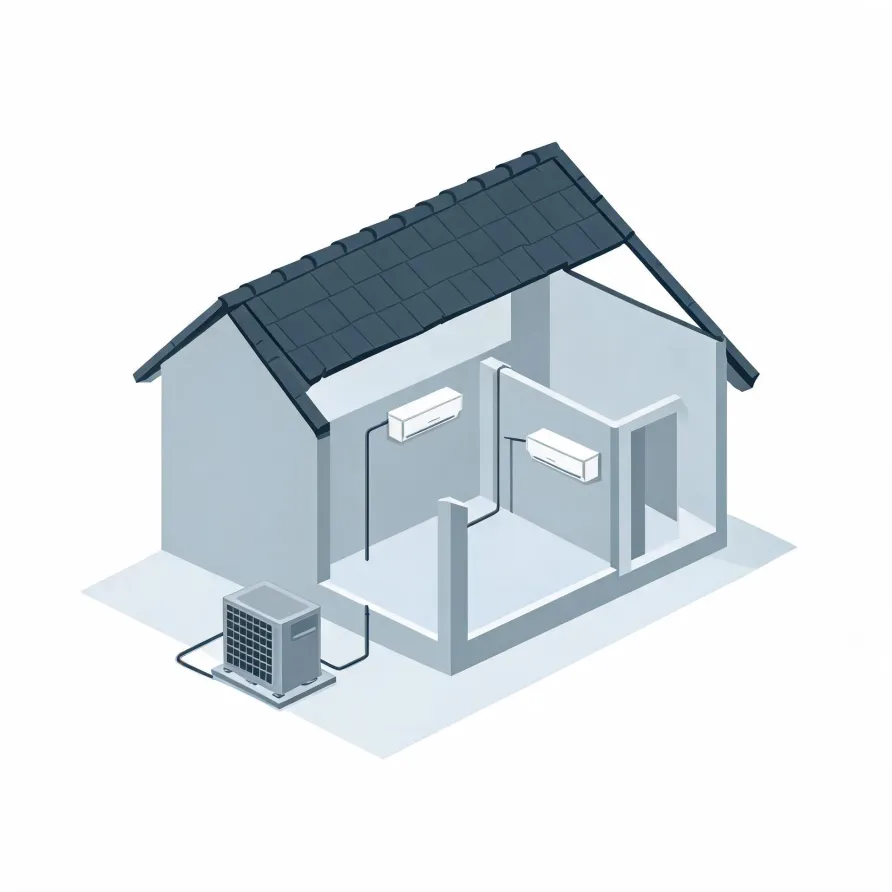
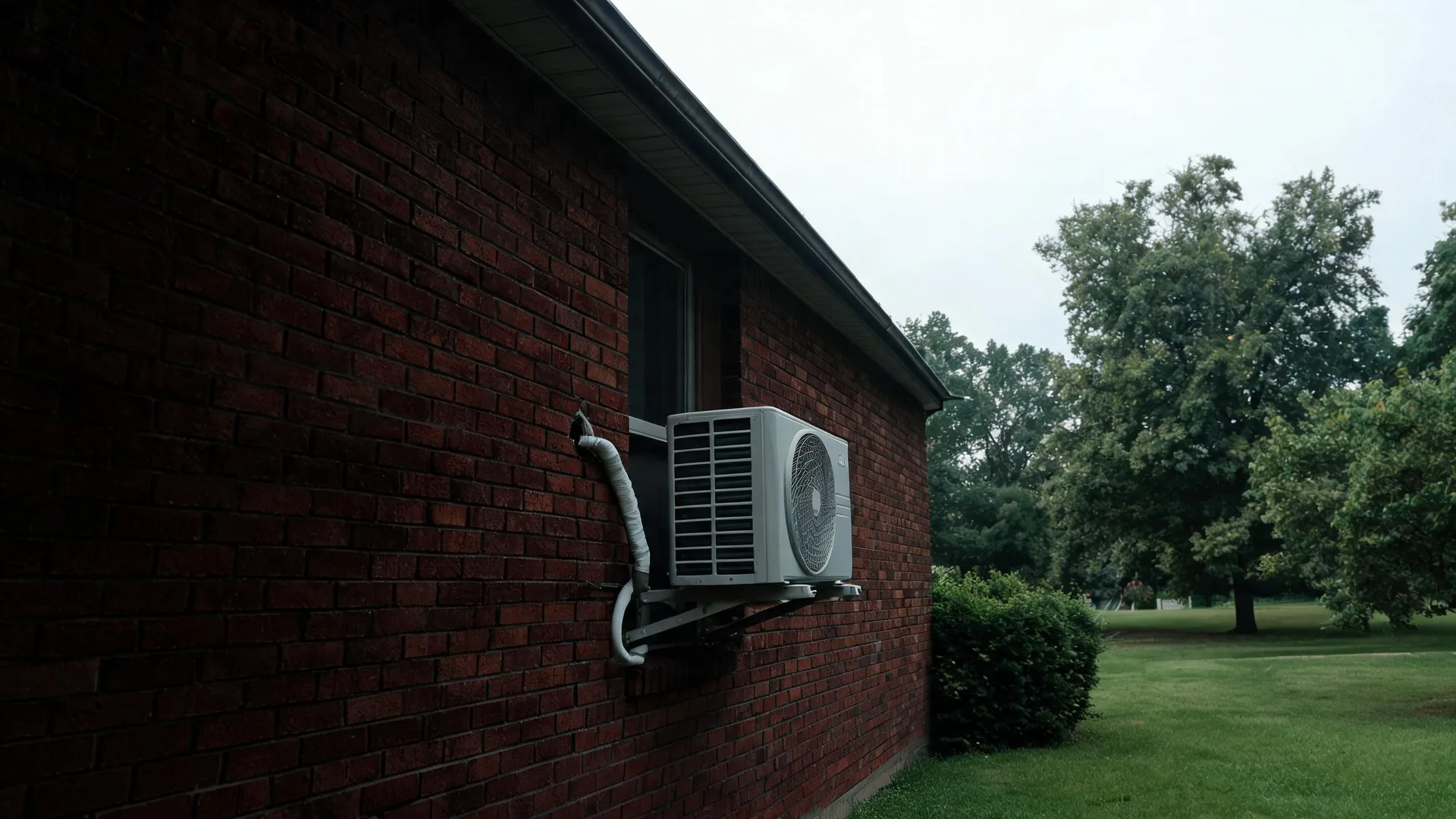
The indoor air handler mounts high on a wall inside the room you want conditioned, where it draws in room air and delivers treated air back into the space. The outdoor unit sits on the ground or a bracket outside the house and holds the compressor and the components that drive the whole system.
A refrigerant line set runs through a small opening in the wall to connect the two units, carrying the working fluid between them. A condensate drain line runs alongside it, moving moisture the indoor unit pulls from the air to the outside.
The drawing shows a typical layout, and a licensed contractor determines exactly where each piece is positioned and how the line set is routed in your particular home.
Find a contractor in Grand Isle CountyGrand Isle County, by the numbers
53 severe weather events were recorded in Grand Isle County, Vermont between 2015 and 2024.
NOAA National Centers for Environmental Information, Storm Events Database, bulk CSV export, events 2015-01-01 through 2024-12-31.Half the homes in Grand Isle County, Vermont were built in 1984 or earlier (2020-2024 ACS 5-year).
U.S. Census Bureau, 2020-2024 American Community Survey 5-Year EstimatesGrand Isle County, Vermont holds 5,326 housing units (2020-2024 ACS 5-year).
U.S. Census Bureau, 2020-2024 American Community Survey 5-Year EstimatesOwners occupy 89.9% of the occupied homes in Grand Isle County, Vermont (2020-2024 ACS 5-year).
U.S. Census Bureau, 2020-2024 American Community Survey 5-Year EstimatesCodes & Standards Governing Mini-Split Work in Grand Isle County, Vermont2 sourced rules & standards
Licensing and Legal Requirements in Grand Isle County, Vermont
Vermont splits the trade across two specialty licences and a contractor may hold one without the other: field A1 covers automatic gas or oil heating including geo-thermal and ground source heat pumps, and field C3 covers refrigeration or air conditioning including air-to-air heat pumps.
Vermont reaches HVAC work through its electricians’ licence rather than an HVAC licence, and the requirement stops at the front door of a house: anyone performing electrical work in Vermont must be licensed as an electrician unless the work is in a residential building containing two or fewer dwelling units.
Severe Weather Events in Grand Isle County, Vermont
Grand Isle County's climate puts real demands on heating and cooling equipment year after year. How much stress a system absorbs over its life is a local fact, and that makes local weather history relevant to what you install and how it is sized.
53 severe weather events, 2015–2024. Source: NOAA National Centers for Environmental Information, Storm Events Database.