Tell us about the job
Takes about a minute. No obligation.
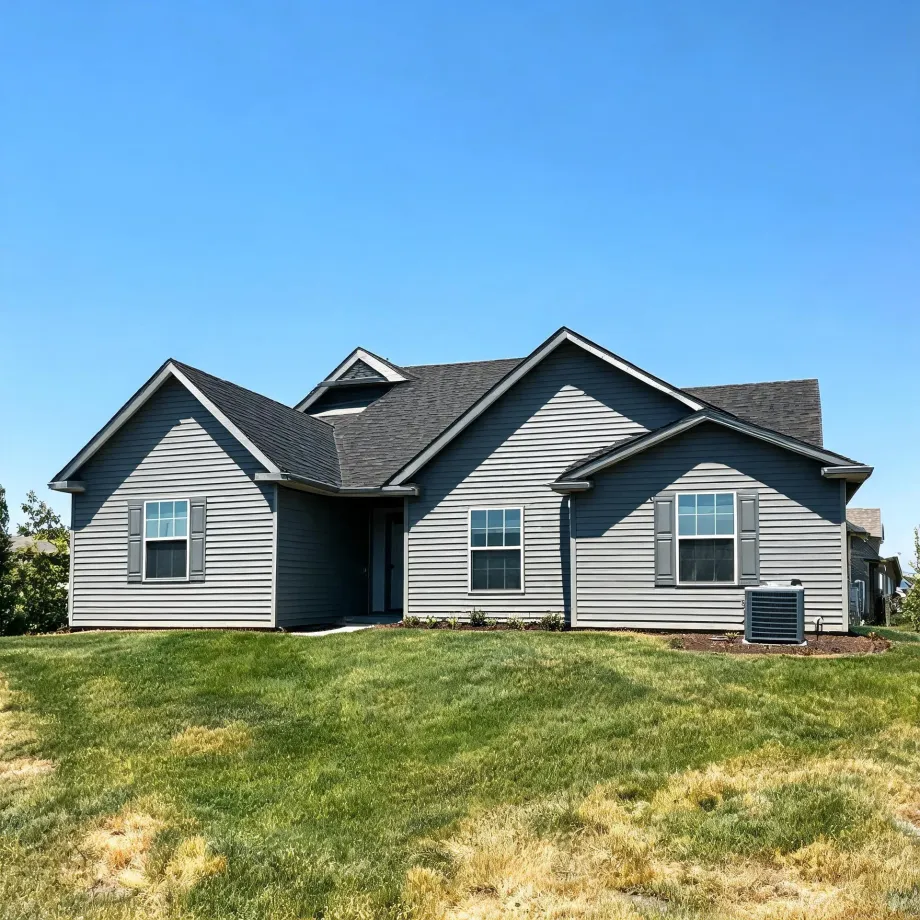
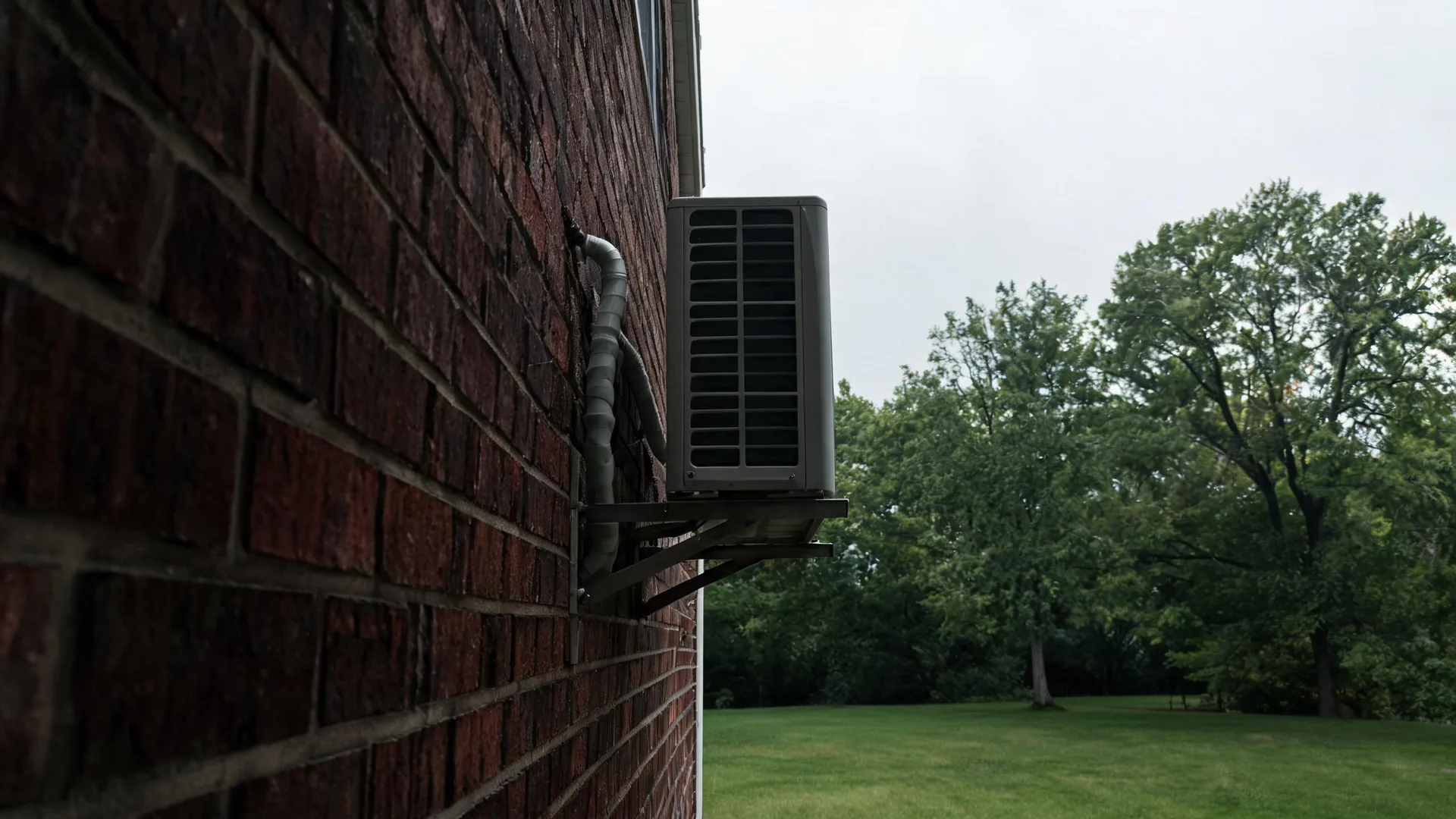
Sizing a mini-split for a Franklin County home starts from one fact: the compressor earns its keep entirely in heating mode. Homes in Franklin County, VT have essentially no cooling season — no month of the year is warm enough to call for it. That means the heat exchanger, the refrigerant circuit, and the inverter board all carry their wear on the heating side, with the cooling side of the cycle sitting idle. A contractor quoting here focuses on low-ambient capacity ratings and backup heat provisions, not on cooling loads that never materialize.
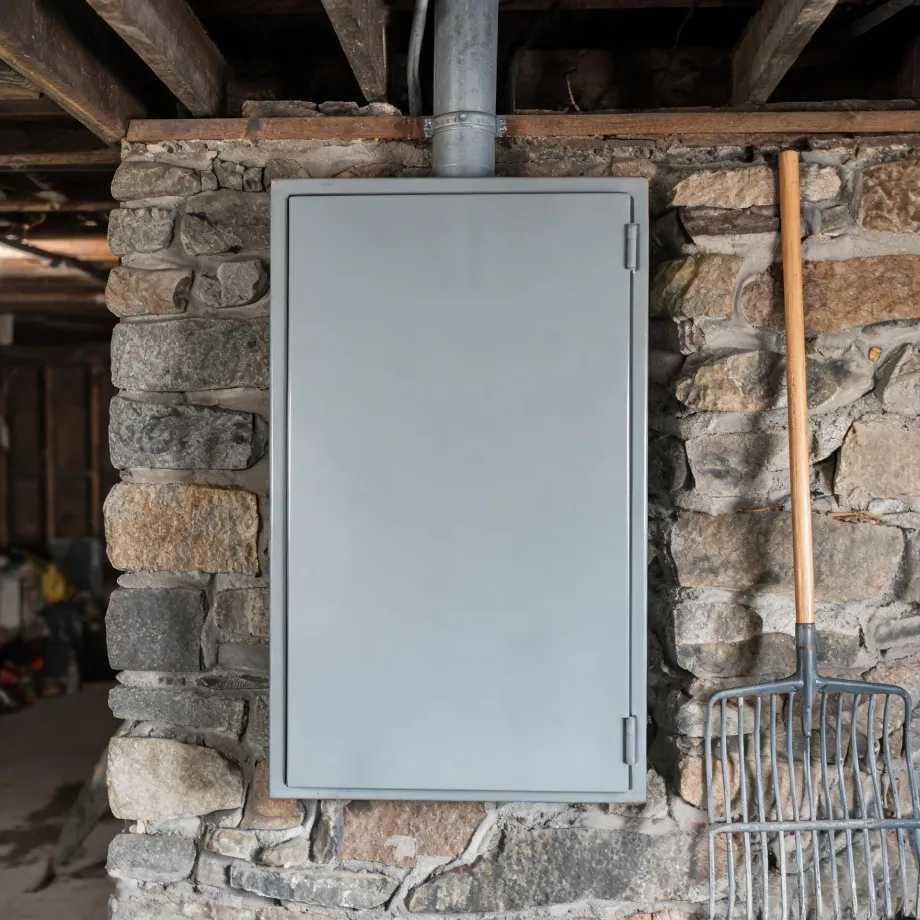
Electrical panels in much of this county's housing were sized for the loads those houses were built to carry, and a mini-split draws differently than what those panels were designed around. Half the homes in Franklin County, Vermont were built in 1979 or earlier (2020-2024 ACS 5-year). A contractor quoting an installation here reads the panel first, because the cost of the job can turn on whether the existing service handles the new draw or needs to be brought up before the equipment goes in. Ductwork is a separate question entirely for a ductless system, but the electrical is not optional to look at.
The Parts of a Mini-split System and What HVAC Installation Covers
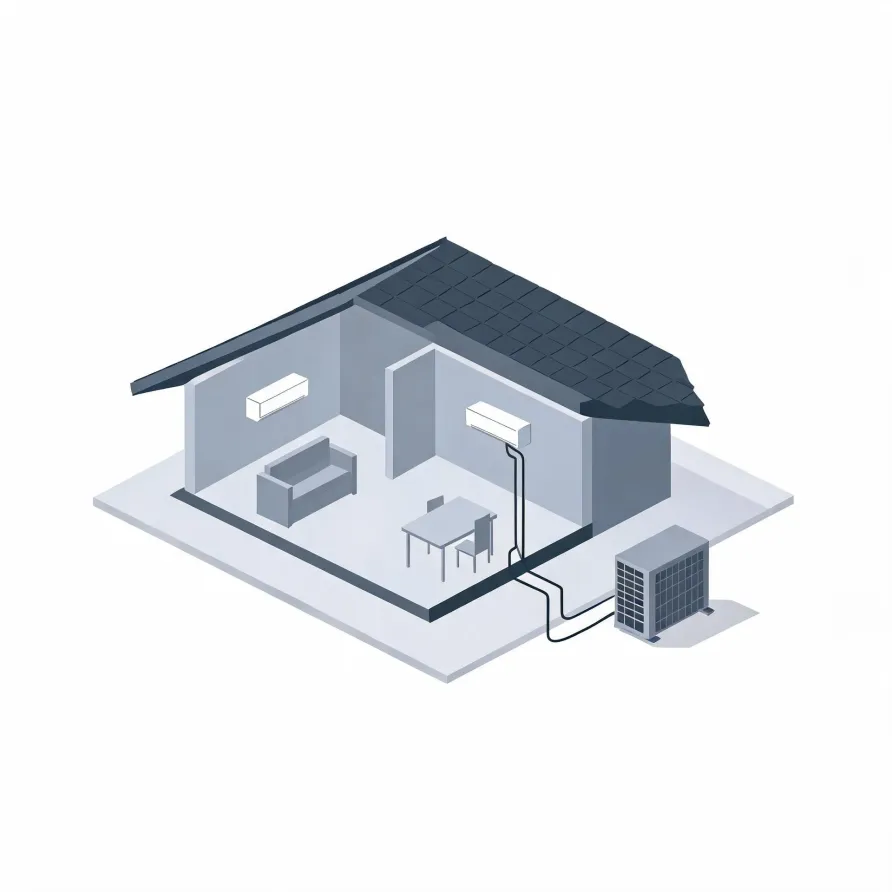
The indoor air handler mounts high on an interior wall in the room being conditioned. It is the piece a homeowner sees every day, and it is where conditioned air enters the living space. The outdoor condenser unit sits outside the house, usually on a pad or bracket at ground level or along an exterior wall, and it carries the compressor and the bulk of the mechanical components.
A refrigerant line set runs between the two units through a small penetration in the wall, bundled with the power and communication lines that let the indoor and outdoor units work together. A condensate drain line also runs from the indoor handler to carry moisture out of the house. The thermostat or wall control, if one is added, goes on an interior wall within reach of the living area.
The drawing shows a typical layout, and a licensed contractor determines exactly how each piece is positioned and routed for your home.
Find a contractor in Franklin CountyFranklin County, Vermont, by the numbers
128 severe weather events were recorded in Franklin County, Vermont between 2015 and 2024.
NOAA National Centers for Environmental Information, Storm Events Database, bulk CSV export, events 2015-01-01 through 2024-12-31.Half the homes in Franklin County, Vermont were built in 1979 or earlier (2020-2024 ACS 5-year).
U.S. Census Bureau, 2020-2024 American Community Survey 5-Year EstimatesFranklin County, Vermont holds 23,019 housing units (2020-2024 ACS 5-year).
U.S. Census Bureau, 2020-2024 American Community Survey 5-Year EstimatesOwners occupy 77.4% of the occupied homes in Franklin County, Vermont (2020-2024 ACS 5-year).
U.S. Census Bureau, 2020-2024 American Community Survey 5-Year EstimatesCodes & Standards for Mini-Split Work in Franklin County, Vermont2 sourced rules and standards
Licensing and Legal Requirements in Franklin County, Vermont
Vermont splits the trade across two specialty licences and a contractor may hold one without the other: field A1 covers automatic gas or oil heating including geo-thermal and ground source heat pumps, and field C3 covers refrigeration or air conditioning including air-to-air heat pumps.
Vermont reaches HVAC work through its electricians’ licence rather than an HVAC licence, and the requirement stops at the front door of a house: anyone performing electrical work in Vermont must be licensed as an electrician unless the work is in a residential building containing two or fewer dwelling units.
Severe Weather Events in Franklin County
Weather puts a measurable load on heating and cooling equipment, and that load varies by where you live. A mini-split sized and installed for what Franklin County actually delivers performs differently than one specced for somewhere else.
128 severe weather events, 2015–2024. Source: NOAA National Centers for Environmental Information, Storm Events Database.