Running clean
A mini split that's draining right makes a low hum and nothing else. No drip, no stain on the wall below it, no puddle on the floor when it's running hardest against a cold snap.
Vermont winters run long and cold, and a mini split that's keeping you warm shouldn't be dripping water onto the floor or pooling under the indoor unit. When it shows up in January, you want to know whether it's something minor or a sign the system is struggling with the cold.
When outdoor temperatures drop well below freezing, the condensate drain line that carries water away from your mini split can freeze solid, especially if it runs through an unheated space or outside wall. With nowhere to go, the water backs up into the indoor unit and leaks out. A clogged drain line or a dirty air filter can cause the same thing by letting condensation build up faster than it drains. Less often, the leak points to a refrigerant problem, where low refrigerant causes the coil to ice over, then melt and overflow once the system cycles off. A contractor can tell which one you're dealing with by checking the line, the filter and the refrigerant charge.

A mini split that's draining right makes a low hum and nothing else. No drip, no stain on the wall below it, no puddle on the floor when it's running hardest against a cold snap.

Dust and a grimy film on the casing usually mean the filter hasn't been cleaned in a while. A clogged filter can freeze the coil inside, and when that ice melts, the water has to go somewhere.
Look at what the leak is actually doing. A few drops on a cold morning that dry up by afternoon is different from a steady drip that leaves a wet patch on the floor or windowsill every day. Check the wall behind and below the unit for a dark stain or soft drywall, and check the floor for a ring where water keeps landing in the same spot. If the line set runs through a wall or down to an outdoor condenser, look there too, since ice built up on the line can melt into the same room. Left alone through a Vermont winter, that water can soften flooring, stain plaster, and feed mold behind the wall where you can't see it.
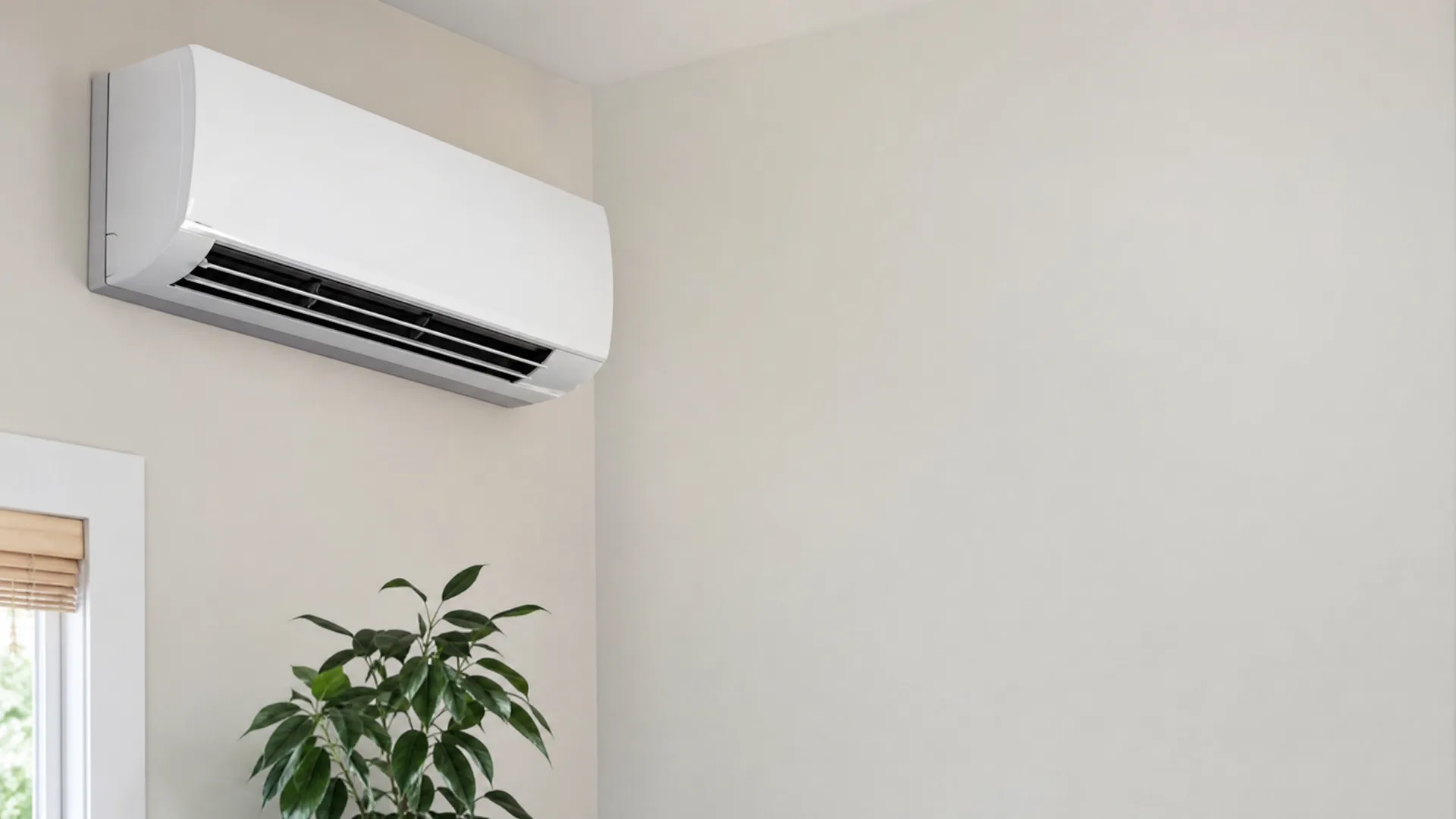
The condensate line runs from the indoor unit to the outside, and in a Vermont winter part of that run sits in cold air or against a cold wall. Water moving through it can freeze into a plug. Once that happens, condensate backs up with nowhere to go but out the front of the indoor unit, down the wall, or onto the floor beneath it. A line that drained fine in October can freeze solid by January without anything else changing.
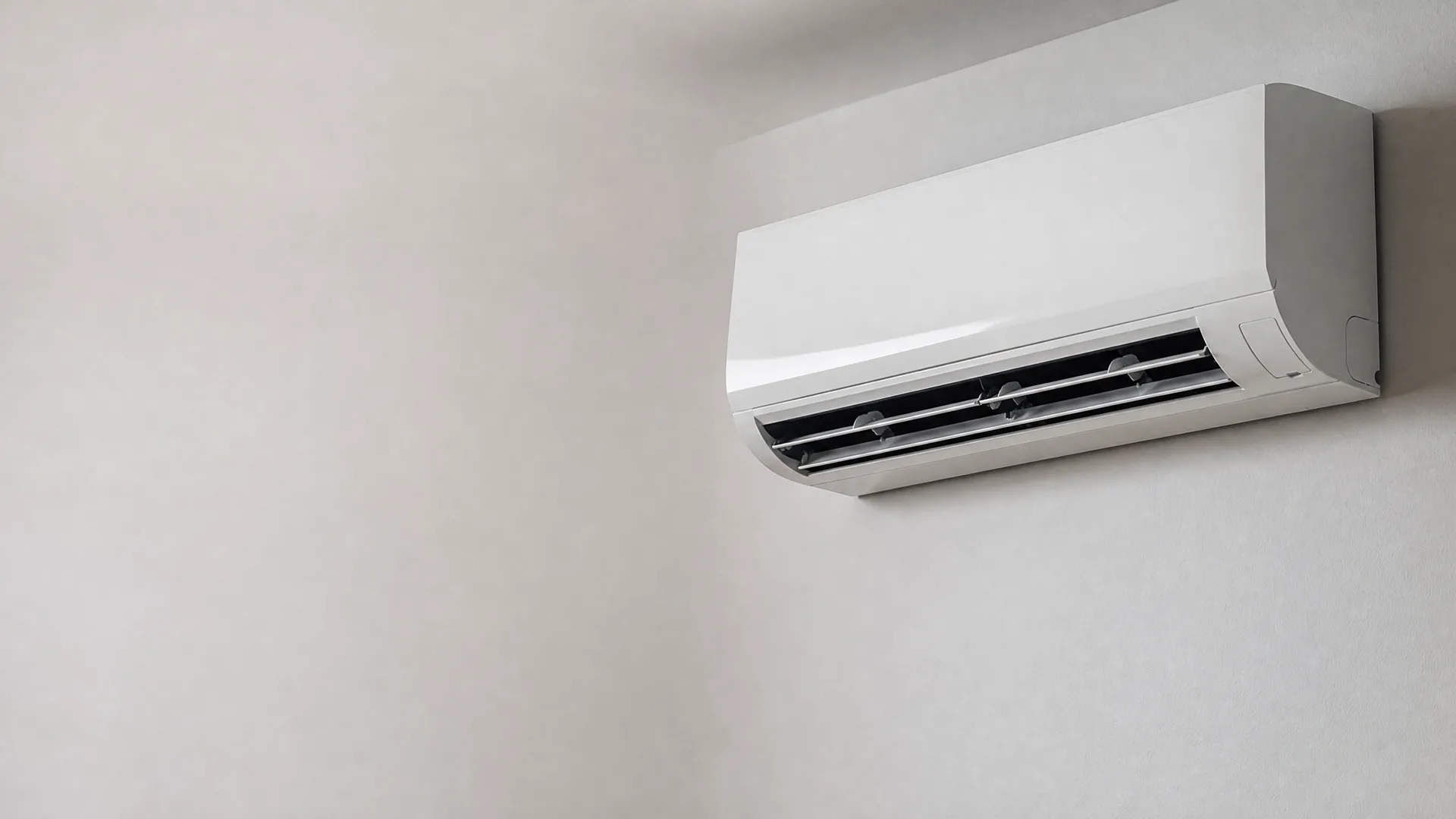
Inside the unit, condensate collects in a drain pan before it reaches the line. If that pan is tilted, cracked, or clogged with the same dust and grime that builds up on the coil, water sits instead of draining. In a cold snap, when the unit is running hardest to keep up with the temperature outside, it's pulling more moisture out of the air than usual, and a pan that's barely coping in mild weather can overflow once the load increases.

A mini split draining right looks ordinary. The wall stays dry, the casing is clean, and the only sign it's working against the cold is the warm air coming off it. No stain, no drip, nothing on the floor below.

Dust and grease build up on the coil and the vents over time. That film slows airflow across the coil, and a coil that runs too cold can ice up, then shed water faster than the drain line can carry it away.




A frozen or clogged drain line doesn't clear itself. Left alone through the rest of a Vermont winter, the water finds a new path, into the wall below the unit or down into the subfloor, and that damage costs more to fix than the leak ever would. Sorting it out yourself means finding a contractor who works on mini splits, not just furnaces, since oil heat is what most shops around here are set up for. That's calls to make, availability to check, someone new to explain the drip and the stain to each time. Send the request once and that search is off your plate. One contractor who works on these systems gets your situation, and you go back to a dry floor and a unit that just runs, instead of one you're watching every cold snap.
A mini split that's been dripping for a few days can usually wait for a scheduled visit. Shut off the unit if water is pooling fast, set a towel or pan under it, and get it looked at within the week. The line is frozen or clogged, not broken, and that holds until someone clears it.
Water coming through the ceiling or down inside a wall is different. So is a unit that trips its breaker when you turn it back on, or a puddle that's spreading onto a rug or hardwood instead of staying in one spot. That's not a slow drain anymore, that's water getting somewhere it can do real damage, and a Vermont night below freezing won't give it a reason to stop. If you're already dealing with calling around at 9pm trying to find someone who'll pick up, sending the form here does that part for you. One request, and finding a tech who answers tonight isn't on you anymore.


An occasional drop that dries up on its own usually means condensation, not a clog. Worth watching, but it can likely wait for a regular appointment.
A steady drip or a puddle under the unit every time it cycles means the line is frozen or blocked. That won't clear on its own and needs a tech out soon.

The indoor unit pulls warm room air across a cold coil. That coil pulls moisture out of the air the same way a cold glass sweats on a humid day, and the water runs down into a drain pan under the coil. From there it's gravity doing the work, not a pump, in most setups. The pan tilts slightly toward a drain port, and the condensate line picks it up from there and carries it outside.
That line has to keep a steady downward pitch the whole way, with no low spot where water can sit. A sagging section, a kink from the install, or a patch of pipe sitting in cold air outside the insulation is where ice gets its start. Once you know that path, you know why the fix isn't always the same spot twice, and why calling around to find someone who'll actually trace the whole line, rather than just clear what they can reach, is the part you don't want to be doing yourself on a January afternoon.


Vermont summers aren't the heavy, sticky kind, and the numbers back that up. Across June, July and August, the dew point here averages 59°F, according to NOAA climate data, which is on the dry side as these things go. That matters for your mini split's drain line because it's not pulling much moisture out of the air to begin with over the summer. The line and the pan under the coil stay fairly dry for months at a stretch. Come winter, when the unit switches to heating and that drain line sits unused or barely used in cold air, it's starting from dry rather than from a season of steady runoff, which is part of why a freeze or a clog can catch you off guard.
NASA POWER T2MDEW county cells weighted by homes


A mini split heats more cheaply than oil, but at 22.79 cents a kilowatt-hour you're still paying real money to run it. A frozen or clogged drain line makes it work harder and run longer to keep up, so the leak is costing you on the bill too, not just the floor.
EIA-861 2025 statewide residential average
Warm room air crosses the cold indoor coil as the fan pulls it through.
Moisture in that air condenses on the coil and drips into the drain pan.
The drain pan feeds a condensate line running out through cold air or a cold wall.
In hard cold, water sitting in that line can freeze and plug it solid.
A mini split that leaks in a Vermont winter almost always comes down to the same thing: water that can't get out through a frozen or clogged drain line, backing up into the drain pan and over the edge. Clearing the line and keeping that stretch of it warm enough to stay clear through the next cold snap settles it. You don't have to figure out which it is before getting someone out there. That part is sorted once you send the form. No searching around for a contractor who works on mini splits, no calling two or three places and waiting on callbacks, no explaining the drip and the puddle and the cold snap all over again to each one, no sitting with a stack of quotes trying to guess which one is fair. You send it once, and finding the right person to look at your unit stops being something you have to do. What's left is a fix instead of a leak.
Fill out one short form instead of calling around.