The right pro for this job
How cold is too cold for a mini split in Vermont
A mini split losing heat on the coldest Vermont nights isn't just about temperature, it's about how the unit was sized and installed for your house. This page gets into what low temperatures do to a mini split's output and when oil backup still makes sense. If you need a closer look at your setup, a contractor can walk through it with you.
Get a mini split proMost mini splits sold today keep making heat down to around -13°F to -22°F, though output drops as the temperature falls. Older or cheaper units can struggle well before that, losing real capacity somewhere around 5°F to 0°F. The cold doesn't shut the unit off outright. It thins out how much heat the outdoor coil can pull from the air, so the system runs longer and puts out less for every hour it runs. On a Vermont night in the teens or below, that's the difference between a mini split holding the house steady and one that falls behind and lets the room cool off. Whether that matters in your home depends on the unit installed and whether it was sized to cover those nights on its own or lean on a backup. A lot of Vermont homes still have oil heat in the basement for exactly that reason.




A cold-climate mini split works harder as the temperature drops, not less. Its compressor is variable-speed, so it ramps up on a cold night and pulls more refrigerant through the line to keep the heat coming. Most of these systems use vapor injection, which adds refrigerant partway through the cycle so output doesn't fall off a cliff as it gets colder outside. Once the outdoor coil frosts over, which happens below freezing, the system runs a defrost cycle. It reverses itself for a few minutes, melts the ice off the coil, then switches back to heating. You may feel cool air from the indoor head during that stretch. That's the defrost cycle doing its job, not a sign anything is wrong. None of this works if the outdoor unit can't breathe. It needs clear space at its base and around the intake so air keeps moving across the coil, even once snow is piled against the house. Past the temperature on that unit's spec sheet, the compressor runs out of heat to pull from the air, and output drops fast no matter how well it was installed.
What Happens Inside the Unit
- A cold-climate mini split uses a variable-speed compressor that ramps up as outdoor temperature drops, pulling more refrigerant through the system to keep output steady.
- Below freezing, the outdoor unit's coil frosts over, so the system runs a defrost cycle that briefly reverses to melt the ice before switching back to heating.
- During defrost, the indoor head may blow cool air for a few minutes, which is normal and not a sign the unit is failing.
- Vapor injection compressors, found in most cold-climate models, inject extra refrigerant mid-cycle to maintain heat output as the outdoor temperature keeps falling.
- The outdoor unit needs clear space around its base and intake so it can pull air across the coil even when snow piles up against the house.
- Once outdoor temperature passes the point listed on the unit's spec sheet, the compressor can no longer extract enough heat and output drops off fast.


Mini Split Alone or Paired With Oil
Cold-Climate Mini Split Alone
- A cold-climate unit sized for your house can carry the full heating load down to somewhere around 5°F to 0°F without help.
- Below that point output keeps dropping, so on the coldest nights the unit may run constantly and still lose ground against the heat loss.
- Running the compressor harder on those nights pulls more from a power bill that's already among the highest in the country.
- No oil tank, no oil deliveries, and no second system to maintain or repair.
- If the unit was undersized for the house to begin with, the gap on a hard winter night will show up as a room that never gets warm.
Mini Split Plus Oil Backup
- The oil furnace takes over once outdoor temperatures drop below where the mini split can still carry the house.
- You're not relying on one system to get you through a Vermont winter that can sit well below zero for stretches.
- Oil costs more to run than the mini split for every hour it's the one working.
- The furnace and ductwork already in most homes here mean the backup is usually in place, not something new to add.
- Switching between the two systems only works smoothly if a contractor sets the handoff point correctly during installation.
- A smaller mini split paired with oil backup can cost less upfront than sizing the mini split alone to handle every night of the year.
Why capacity drops in the cold
A heat pump pulls warmth out of the outdoor air, and the colder that air gets, the less heat there is to pull. The compressor is already working near its limit on a 10 below night, so there's less room to push harder. That's the physics behind the output numbers, not a flaw in the equipment. It's also why a unit sized only for a mild January can fall short once Vermont gets into a real cold snap.
Where oil still carries the load
Oil heat doesn't care what the outdoor air is doing. It burns fuel and makes heat at a fixed rate, whether it's 20 degrees or 20 below. That's why so many Vermont homes keep the oil furnace or boiler in place after a mini split goes in, set to pick up once the outdoor unit can't keep the house at temperature on its own. With power costing what it does here, that backup also keeps the mini split from running flat out on the nights it would cost the most to do so.
At what temperature should I switch my mini split over to oil heat
You've got the oil furnace as backup and you want a number, not a vague answer, so you know when to stop relying on the mini split and let the oil system take over on a brutal Vermont night. Guessing wrong either wastes oil or leaves the mini split straining for heat it can't deliver.
Switch over somewhere around 5°F to 0°F, depending on your unit
A cold-climate mini split sized right for your house can usually carry the heating load on its own down to somewhere around 5°F to 0°F outside. Below that, output keeps falling and the unit may run constantly without fully keeping up, especially on a stretch of single-digit or below-zero nights that Vermont gets most winters. That's the point to let the oil furnace take over rather than make the mini split fight a losing battle. The exact number depends on how the unit was sized for your home and how cold-climate rated it is. A contractor who installs these systems can tell you where your specific unit's output starts to fall off, and set up the switchover so it happens without you thinking about it.


Matched to your mini split job
One request ends the search for a mini split installer.
A local installer who puts in mini splits gets your project.
You only hire the pro if you want to.
Power costs 22.79 cents per kilowatt-hour statewide
At 22.79 cents per kilowatt-hour, every hour your mini split spends straining against a cold snap costs more here than almost anywhere else. A unit sized right for your house keeps that bill in check even when it's running hard; one that's undersized or losing the fight burns power without getting you warm.
EIA-861 2025 statewide residential average
What This Looks Like in Your House
- On the coldest nights your mini split may run nonstop and the air from the vent will feel cooler than usual.
- If the unit is undersized for your house, rooms farthest from the indoor head will lose ground first.
- A furnace that cycles on and off with an undersized mini split in the mix will burn more oil to make up the difference.
- Frost that builds on the outdoor coil during a long cold snap can slow the defrost cycle and cut output further.
- A mini split sized and installed for your house should hold the room temperature even when the furnace isn't picking up the slack.
- Running an undersized or poorly installed unit hard through January and February shows up as a higher electric bill at 22.79 cents a kilowatt-hour.
You'll feel it in the room farthest from the indoor head before you feel it anywhere else. That's the room with the least reach, so it's the first to lose ground when the unit is working hard just to keep up. Meanwhile the thermostat near the unit itself might read fine, which makes the problem easy to miss until the back bedroom is noticeably colder than the rest of the house. If your oil furnace is set up as backup, watch how often it kicks on during a cold stretch. A furnace cycling on and off more than usual is making up for heat the mini split can't deliver on its own, and that's oil you're burning that a properly sized system wouldn't need. Outside, a long cold snap builds frost on the outdoor coil. The unit has to pause and run a defrost cycle to clear it, and every minute spent defrosting is a minute it isn't heating your house. Add it up over a hard January and the result lands on your electric bill, not just your comfort. A mini split that's sized and installed correctly for your house should hold its temperature through all of this without the furnace stepping in to cover the gap. If yours needs the furnace every cold night, that's a sign worth paying attention to, not just living with.


Why does one room stay cold while the rest is fine
The living room where the indoor head sits warms up fine, but the bedroom down the hall or the room over the garage stays cooler than you'd like. You might notice the vent blowing but the air feels lukewarm instead of hot, or the outdoor unit running nonstop without the house catching up. That's the mini split losing ground on the rooms farthest from it. If this is your only heat in those rooms, letting it carry the full load on the coldest nights can mean a bedroom cold enough to bother you, or pipes in an outer wall sitting closer to freezing than you'd want on a night well below zero.
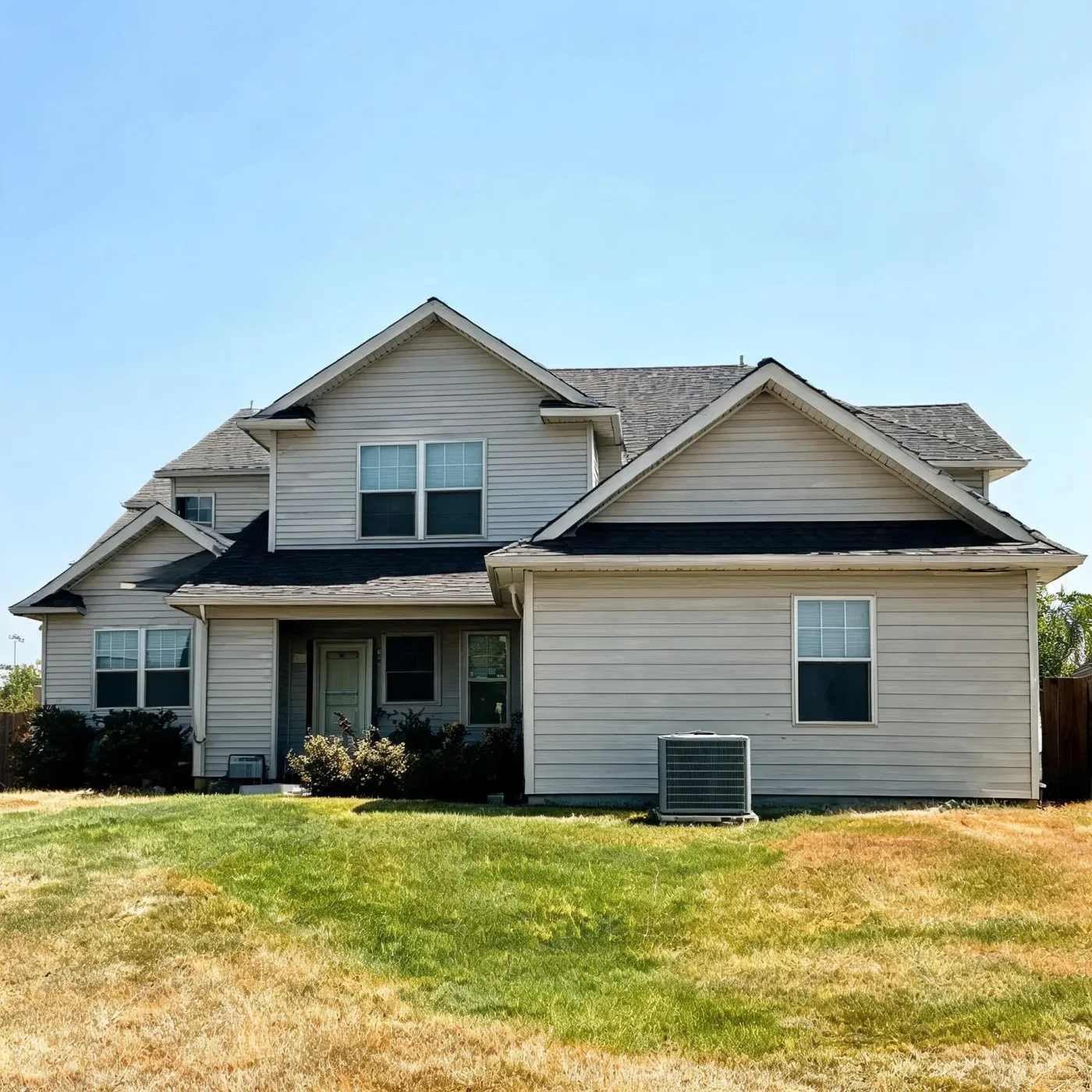
Summer here isn't the problem your mini split worries about, but it's worth knowing what it's working with. Averaged across the places people live in Vermont, the dew point sits at 59°F through June, July and August, according to NOAA climate data. That's air that feels comfortable, not sticky, so your mini split isn't fighting much moisture to cool the house. It can spend more of its effort just dropping the temperature instead of wringing water out of the air first. Come winter, that same unit is doing a completely different job, pulling heat out of air that barely has any to give.
NASA POWER T2MDEW county cells weighted by homes

How cold is too cold comes down to your setup, not just the thermometer
A cold-climate mini split sized right for your house will carry most of what a Vermont winter throws at it, and it won't quit until the air gets seriously brutal. Where it stops being enough depends on the unit, how it was installed, and whether an oil furnace is standing by for the nights that go past what the mini split can do on its own. There's no single number that applies to every house here, because the number comes from the equipment and the install, not the weather alone.
If you're not sure whether your current setup has that gap, or you're planning a system for a house that doesn't have one yet, a contractor who works on cold-climate installs in Vermont can look at your house and tell you where you actually stand. Once you send that in, you're not the one tracking down who's available or who knows this climate. That part is off your plate, and someone who fits what your house needs will be in touch.

A mini split pro near you