





Does a mini split lower heating bills in Vermont

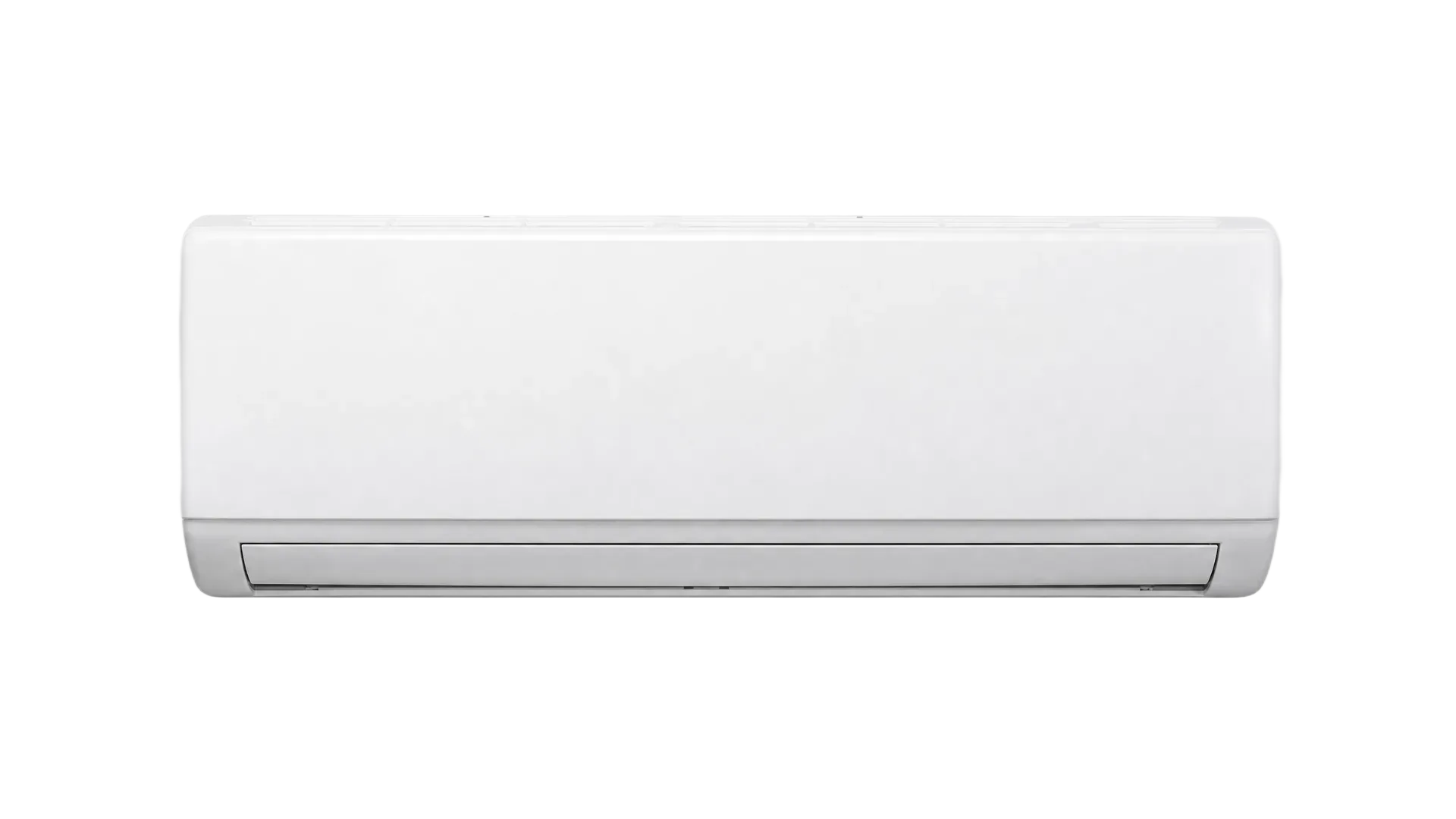
A white wall-mounted mini-split air conditioner indoor unit centered against a plain light gray background.
Skip the calls

A mini split lowers heating bills for most Vermont homes, because most of them heat with oil right now. A mini split moves heat instead of burning fuel for it, and even in cold weather it moves more heat energy than the electricity it uses. Oil prices swing and electricity here is not cheap either, but a mini split still comes out ahead of oil heat most winters because of how much heat it produces per dollar of energy in. Below a certain outdoor temperature, usually somewhere below zero, its output drops off and it leans harder on backup heat, so most homes keep their oil furnace or boiler for the coldest stretches of January and February. The rest of the season, the mini split carries the load and the oil tank barely moves. The savings depend on how well the unit is sized and installed for your house, which is where the difference between a good job and a bad one shows up on the bill.

A white wall-mounted mini-split indoor unit on a light gray interior wall, with a white curtain on a black rod at left and a leafy plant in the lower left corner.
A clean mini split pulls heat from the cold outside air and moves it inside for less than oil costs to burn.
A wall-mounted white mini-split air conditioner indoor unit with visible dust and grime around its outlet vent, installed near the ceiling on a plain light-colored wall.
A dirty mini split loses its edge over oil as dust on the coil and filter makes it work harder for less heat.

How a mini split moves heat

  • The outdoor unit pulls heat out of the air outside and the refrigerant carries it through the line set into your home.
  • A compressor changes the refrigerant's pressure so it can give up heat indoors even when it's cold outside.
  • Below a certain outdoor temperature, the compressor has to work harder to pull the same amount of heat from the air.
  • Most mini splits sold now handle single-digit temperatures, but check the rated low temperature on yours.
  • An indoor head with a dirty filter or blocked airflow throws heat into the room less efficiently, even if the outdoor unit is running fine.
  • Many Vermont homes keep the oil furnace running alongside the mini split, switching over once it gets too cold for the mini split to carry the load alone.

A mini split does not make heat the way an oil furnace does. It collects heat that is already in the outside air and carries it indoors. The outdoor unit has a coil that pulls heat from the air passing over it, even when that air is cold. Refrigerant picks up that heat and carries it through the line set to the indoor head, where it gives the heat up into the room. A compressor sits in the middle of that cycle, raising the refrigerant's pressure so it can release heat indoors instead of outside. The colder it gets, the harder the compressor has to work to pull the same heat out of the air, which is why output drops some on the coldest days. Most units sold now are rated to keep working into single-digit temperatures, but that number is set by the manufacturer and it is worth checking against the one on your outdoor unit. None of this works well if the indoor head is choked. A dirty filter or a blocked vent on the indoor unit cuts how much of that heat actually reaches the room, even with the outdoor unit running the way it should. That is part of why a lot of Vermont homes keep the oil furnace wired in as backup, switching over once the outdoor air gets colder than the mini split can keep up with on its own.

A woman in a knitted shawl sits in a living room with a fireplace, shelves, a sofa with cushions, and a lamp by a bright window, looking off to the side.
A woman with long brown wavy hair in a green shirt over a white top stands in a living room with built-in white shelves, a ceiling fan, a potted plant and a sliding glass door.
A woman with shoulder-length gray-streaked hair in a light gray knit sweater stands smiling and looking off to the side in a living room with a sofa, houseplant, framed picture, and sunlit sliding glass door.
A woman with shoulder-length curly gray hair wearing a gray knit sweater stands near a window with a sheer curtain, looking to the side, with a blurred interior room behind her.

Where the savings taper off

A mini split's output and efficiency both drop as the outdoor temperature falls. Vermont sees stretches well below zero, and on those nights the unit has to work harder to pull heat from air that has little heat left to give. Most homes here still lean on oil or another backup source for the coldest weeks. The mini split can carry the bulk of the season, but it's not built to replace oil on every single night of a Vermont winter.


Where electric rates change the math

Vermont's electricity costs more per kilowatt-hour than in most of the country, and that cuts into what a mini split saves against oil. The unit still moves more heat than the electricity it draws, but a higher rate per kilowatt-hour means that advantage over oil is narrower here than it would be somewhere with cheaper power. Oil's own price swings year to year, so the gap between the two can close or widen depending on what oil is doing that winter.

A wall-mounted mini-split air conditioner indoor unit with visible dust and staining, installed on a beige interior wall below white crown molding.
Before you get your mini split installation
A white wall-mounted mini-split indoor unit high on a beige interior wall, with a potted olive-like tree at right and an armchair and window visible through a doorway at left.
After you get your mini split installation

No phone calls to make

One installer gets your project, so there's no bidding war over it.

You're not committing to anything by asking.

A two-story house with light beige horizontal siding, a gabled roof, a small covered front porch with dark door, and shrubs along the foundation, set behind a mown lawn and wet sidewalk with large leafy trees on both sides.

Summer air in Vermont sits at a dew point of 59°F on average through June, July and August, according to NOAA climate data. That's dry enough that your mini split isn't fighting the moisture a lot of other regions deal with all summer. It still has to pull that humidity out of the air before the room feels right, but with less of it to remove, the unit isn't running as long to get there. You'll notice shorter cooling cycles and a system that keeps up without straining on the hot afternoons. The real work here, and the real savings, come from what this same system does for you from October through April.

NASA POWER T2MDEW county cells weighted by homes

How does a mini split know when to switch from cooling to heating?

You've probably noticed your mini split just starts blowing warm air one day without you touching the remote or the thermostat changing modes. It's not guessing, and it's not on a timer tied to the calendar. Since Vermont swings from warm, dry summer days into cold nights fast, especially in spring and fall, it helps to know what's actually telling the unit which job to do.

A thermistor reads room temperature and the system switches mode to match your setting

A thermistor inside the indoor unit constantly reads the air temperature in the room. The control board compares that reading to the temperature you set. If the room is colder than your setting, the system reverses the refrigerant flow through the reversing valve and starts pulling heat in from outside. If the room is warmer, it reverses the other way and starts moving heat out. This happens automatically whenever the unit is set to auto mode, without you switching anything. In Vermont, where a 40-degree October morning can turn into a 70-degree afternoon, that reversing valve might change direction more than once in a single day.

  1. The thermostat calls for heat and signals the outdoor unit.

  2. The compressor starts and raises the refrigerant's pressure.

  3. The outdoor coil pulls heat out of the cold air.

  4. Refrigerant carries that heat through the line set indoors.

Is your oil tank still your main heat source

Walk down and check the oil gauge. If it's dropping fast through January and February and your mini split only handles the mild days, you're still paying for most of your heat the old way. Listen for the burner kicking on through the night, and check your delivery receipts against last winter's. If the mini split is only running in the shoulder months and the oil furnace carries everything below freezing, the equipment is installed but not doing the job it could. That gap shows up as oil deliveries that haven't changed much, even with a heat pump sitting on the wall.

A white wall-mounted mini-split air conditioner unit installed high on a beige interior wall below white crown molding, with a window and woven shade at the left edge showing green foliage outside.

Clean and clear

This is a mini split pulling its weight. Air moves through the coil and filter without resistance, so it can pull heat from outside air without burning extra electricity to do it. On a cold night, this is what keeps it cheaper than the oil burner in the basement.

A dusty, stained white wall-mounted mini-split air conditioner indoor unit installed high on a plain off-white interior wall near the ceiling.

Dusty and straining

Dust has built up on the coil here, and the unit shows it in the discoloration. It still runs, but the compressor has to work longer to move the same amount of heat. That gap in effort shows up on the electric bill, and in a hard Vermont winter the oil tank starts picking up the difference.

Power costs 22.79 cents per kilowatt-hour statewide

At that rate, every kilowatt-hour your mini split pulls from the wall costs more here than in most states. It still comes out ahead of oil, but a dirty filter or a coil caked with dust eats into that edge fast, since it makes the unit draw more power to move the same heat.

EIA-861 2025 statewide residential average

A woman and a child wrapped together in a thick knitted blanket on a sofa, both with eyes closed, with a lit table lamp and houseplant in the dim background.
An older woman with short gray hair in a cream cable-knit turtleneck sweater smiles while looking to the side in a wooden kitchen, with a round loaf of bread on a board in the foreground and a lit candle by a dark window.
A closed dark laptop and a ceramic mug of coffee on a wooden dining table, with wooden chairs, a dark kitchen cabinet with cutting boards and a potted plant, and a leafy plant by a window in the background.

Where that leaves you

A mini split that's clean and sized right will cost you less than oil to run, most days of the year. On the coldest nights it leans harder on electricity, and your oil burner may still kick in. That's the honest shape of it in Vermont, not a promise that the tank stays full.

What changes when you get it looked at is the guesswork. You're not calling around to three or four companies, explaining the same thing about your unit and your oil gauge each time, then sitting with quotes trying to guess which one actually knows mini splits in a Vermont winter. One local contractor who services this equipment all year, who's seen what frost and dust and a bad run of cold nights do to a coil, takes that off your plate. You still have a house to keep warm. You just stop managing the search for someone to help you do it.

Interior corner of a dining room with a round wooden table, a ceramic vase holding olive branches, a dark spindle-back chair near a curtained window, and a sideboard with a lamp against beige walls.
A single-story stucco house at dusk with a lit paver walkway lined by low path lights, desert plants and boulders in front, and distant mountains under an orange and blue sky.

Mini Split Installation

One form, no calling around

Step 1 of 3: Equipment
  • A cream chunky cable-knit throw draped over a beige upholstered armchair beside a bright window, with a wooden side table holding a book and a vase of leafy branches at left.
    • A local installer who puts in mini splits gets your project.
    • Get in touch with a local installer about a new mini split.
  • Living room corner with a gray sofa holding beige pillows and a knit throw, a round wooden coffee table with a dark planter and shallow bowl, a jute rug, a floor lamp, a framed landscape print on the wall, and a window showing trees.
    • Send it once and finding someone is no longer on you.
    • Send the form and stop researching installers for the new mini split.
  • A living room corner with a cream sofa and cushion, knit throw, wooden coffee table holding a shallow bowl and dark ceramic vase with green foliage, a floor lamp, potted plant in a woven basket, and linen curtains at a window.
    • Skip searching for a mini split pro and answer a few questions instead.
    • One form replaces the calls you'd make to find a mini split pro.
  • A round reclaimed-wood coffee table with a black metal base sits on a woven rug in front of a cream sofa with cushions, with a lit built-in fireplace and a tall indoor tree in the background.
    • Your request goes to one pro, not a list of companies.
    • The pro who reaches out is licensed in Vermont.